
Peering, Transit, and PNI in NJ
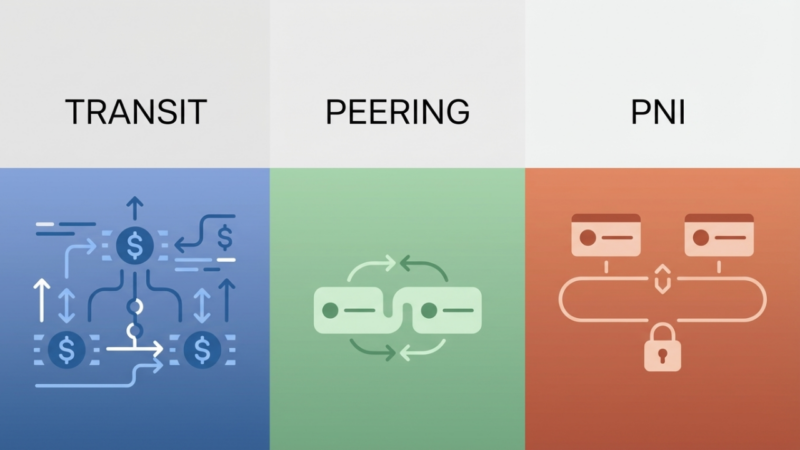
Peering is when two networks connect to exchange traffic directly, transit is when you buy upstream connectivity to reach the whole internet, and a PNI (private network interconnect) is a dedicated cross-connect between two networks inside a data center. Netnod explains that peering can happen via an internet exchange (where many networks connect) or via a PNI (a dedicated physical connection).
If your NJ organization cares about cloud performance, call quality, and uptime, you should understand three levers: transit (reach everywhere), peering (shorten paths), and PNI (dedicated links for high-volume or high-importance traffic). When you combine the right interconnect strategy with monitoring, Wi-Fi design, and ticket handling, you get fewer mystery slowdowns and faster incident resolution.
Key Takeaways
- Peering shortens network paths; transit buys full internet reach.
- A PNI is a dedicated cross-connect and often involves a contract and monthly fees.
- NJ interconnect hubs (like Secaucus data centers) can reduce latency to major ecosystems.
- Operations matter: monitoring + SLAs + clear escalation beats speed tests alone.
- AI agents help by routing tickets and answering network FAQs consistently.
What do peering, transit, and PNI mean in plain English?
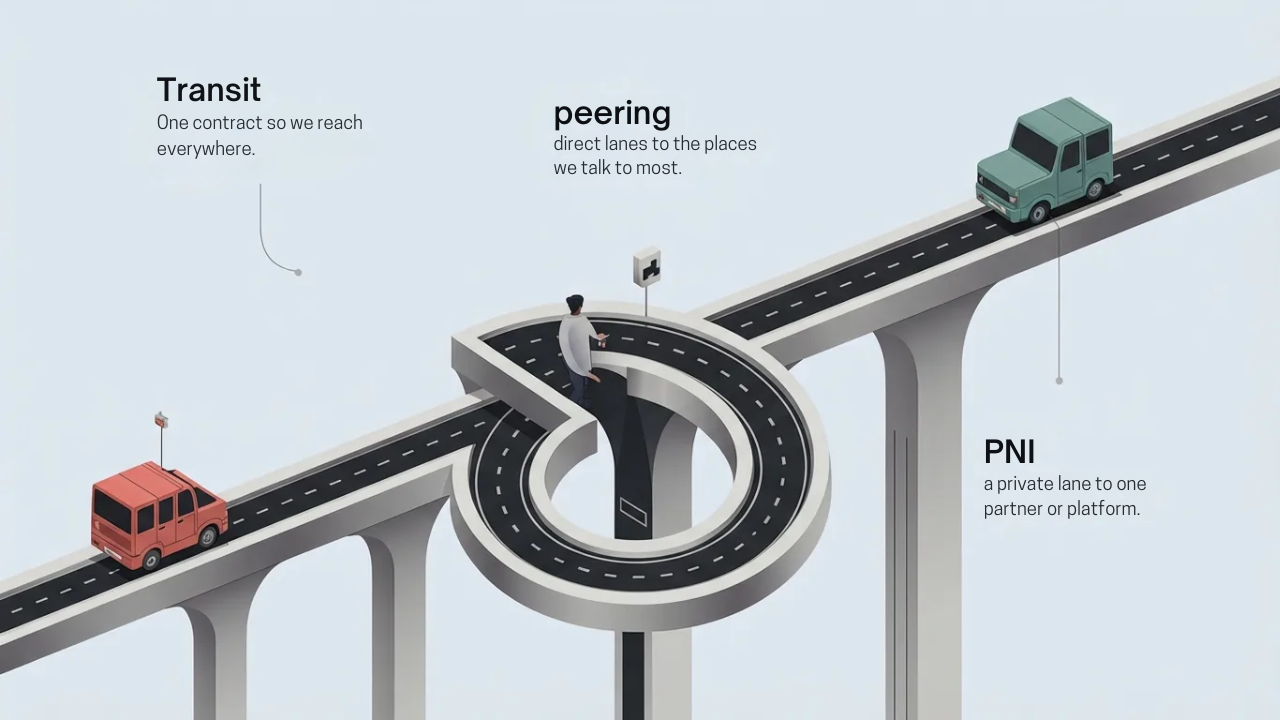
Peering means two networks agree to exchange traffic directly, usually to improve performance and reduce dependence on third-party paths. Transit means you purchase upstream connectivity so your network can reach the entire internet through a provider’s backbone and relationships.
A PNI is a dedicated, private connection between two networks inside a data center, typically a paid cross-connect.
If that still feels abstract, think of it like this:
- Transit = one contract, so we can reach everywhere.
- Peering = direct lanes to the places we talk to most.
- PNI = a private lane to one specific partner or platform.
When does transit make sense for a New Jersey organization?
Transit makes sense when you need reliable, predictable access to the entire internet and don’t want to manage dozens of peering relationships.
Transit is especially common when:
- You’re not in a colocation facility, so peering options are limited.
- Your traffic pattern is broad (many destinations, not just a few big ones).
- You want simpler vendor management.
If you are also comparing carrier-backed access options at the site level, review this Verizon internet in NJ guide to evaluate availability, speeds, SLAs, and fit by location.
When does peering improve performance in NJ?

Peering improves performance when a meaningful share of your traffic goes to a few major destinations (cloud providers, content delivery networks, SaaS platforms), and direct exchange shortens the path. Netnod explains that peering can give networks more control over traffic paths compared to relying only on an upstream route.
What is a PNI, and when is it worth paying for?
A PNI is worth paying for when you have high-volume traffic to one partner, you need dedicated capacity, or you want more control and predictability than public peering provides. PNIs require a cross-connect and usually some form of contract, and the costs can stack up if you do many of them.
A common PNI trigger looks like:
- One cloud or content provider is responsible for a large percentage of your traffic.
- You’re seeing recurring congestion at a shared exchange port.
- You’re supporting real-time apps (voice, video, trading, telemedicine) where jitter matters.
Which NJ facilities and exchanges matter for interconnect strategy?

In NJ, the where matters because interconnection happens in specific buildings and ecosystems. NY5 in Secaucus, NJ, is identified as an interconnection-focused data center site.
On the exchange side, NYIIX describes having peering exchanges in NY, NJ, LA, and PA and frames itself as a neutral peering exchange.
What SLAs and monitoring should you require?

SLAs and monitoring turn it from slow into measurable incidents you can resolve fast. For collaboration tools, Microsoft’s Teams guidance calls out common root causes (insufficient bandwidth, jitter/packet loss, VPN hairpinning) and recommends monitoring and Wi-Fi optimization steps.
Minimum operating set for most organizations:
- Circuit health monitoring (loss, latency, jitter)
- Clear escalation path (who is called, in what order)
- Documented the change log for network and Wi-Fi changes
- Regular reports (so recurring issues get fixed, not repeated)
How do you troubleshoot slow internet using peering/transit basics?

Troubleshooting gets faster when you identify whether the issue is local (LAN/Wi-Fi), last-mile circuit, upstream routing, or a destination-specific path. Use this quick flow:
- Local check: Are Wi-Fi users affected, but wired users are fine? If yes, it’s likely the Wi-Fi design/configuration.
- Circuit check: Are packet loss and latency elevated to multiple destinations? If yes, it may be last-mile or provider congestion.
- Destination check: Is it slow only to one app (like a single cloud provider)? If yes, routing/peering/transit paths are likely involved.
- Time pattern: If it’s only slow at specific hours, congestion is a prime suspect.
Microsoft specifically calls out Wi-Fi channel overlap, band planning, and QoS/WMM as factors for real-time media quality.
How should multi-site NJ organizations connect locations securely?
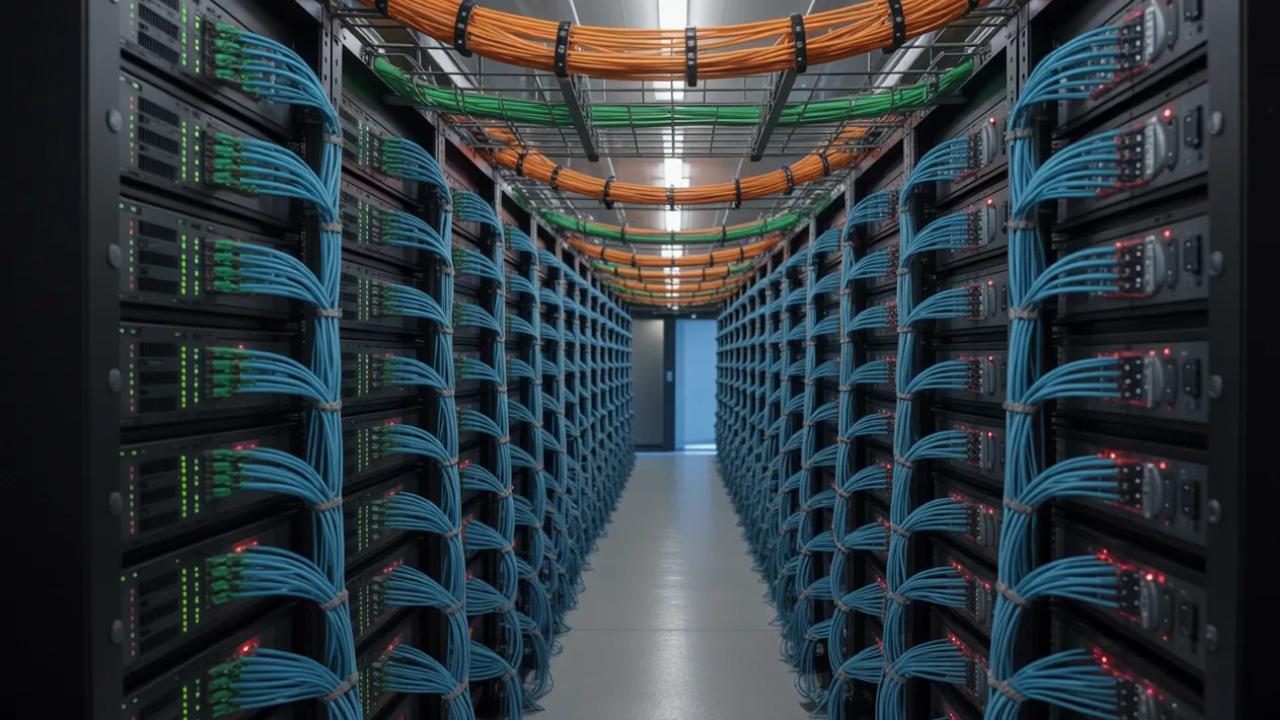
Multi-site networking works best when you standardize the design (router/firewall, failover rules, and security policies) and then choose connectivity per site. For HQ, you might justify fiber + backup; for smaller sites, you might choose business broadband + fixed wireless backup.
Example/Template
Interconnect decision matrix (simple version)
| If you need… | Start with… | Add… |
| Reach everywhere with one vendor | Transit | Second provider for redundancy |
| Better performance on a few big platforms | Public peering | PNI for top destinations |
| Predictable real-time performance | Dedicated + SLAs | Peering/PNI + QoS |
| Faster incident resolution | Monitoring + runbooks | AI agent ticket triage |
FAQs
Do we need BGP to do peering or transit?
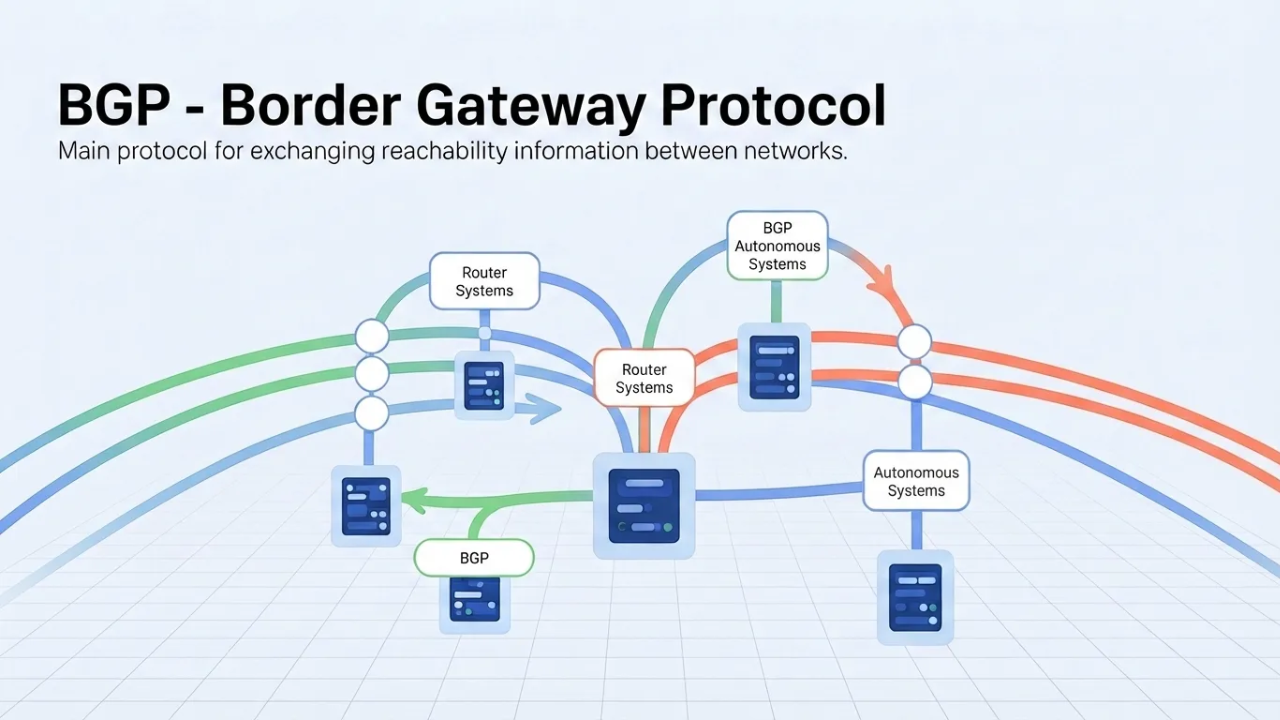
BGP (Border Gateway Protocol) is the main protocol used to exchange reachability information between networks. The IETF’s BGP-4 specification describes BGP as an inter-autonomous system routing protocol that exchanges reachability information.
In practice, many interconnect options (transit, peering, PNI) involve BGP. Whether you run it yourself or via a managed provider depends on your design.
Can a smaller NJ business benefit from peering?
Yes, especially if your provider offers exchange access or resale options so you don’t need to build your own colocation footprint. Netnod notes that internet exchanges can scale better than many individual PNIs because one connection can enable interconnection with many networks.
What is a cross-connect?
A cross-connect is a physical connection inside a data center used to link your equipment to another network or to an exchange platform. Netnod describes PNIs as dedicated connections established by paying the data center for a cross-connect.
Checklist
- Identify your top traffic destinations (cloud, SaaS, content).
- Decide: transit-only vs. transit + peering vs. peering + targeted PNIs.
- Require SLAs for critical sites and real-time workloads.
- Monitor loss/latency/jitter continuously; document escalations.
- Optimize Wi-Fi for real-time media (channels, band planning, QoS/WMM).
- Use AI-assisted triage to standardize troubleshooting steps.
Summary
Peering, transit, and PNIs are not abstract carrier terms; they directly affect how fast and reliable your apps feel in NJ. The best outcomes happen when interconnect choices are paired with SLAs, monitoring, Wi-Fi planning, and consistent operations.
If you’re trying to eliminate recurring slow network incidents, treat the interconnect strategy as part of operations, not a one-time purchase. Then standardize how you monitor, troubleshoot, and escalate.
Want a clear plan to improve performance and reliability for your New Jersey locations? Talk to us today for a network design and interconnect assessment.